

This post goes out to the people who are part of the BC wine industry.
It has been a tough new year for you. If you own a vineyard or winery it has been tough. If you are a manager or a leader of other people in this industry you have had it tough. You may be a cellar worker, a maintenance lead, in hospitality, wine club manager, pruner, shipper, CFO, landscaper, accounts payable, restaurant manager, or a dishwasher, you have had it tough. Maybe you USED to be one of those people but have been let go. For sure this has been tough. Suppliers and agents and consultants you have had it tough. Industry leaders who volunteer their time on boards, committees, and task force’s but have to take criticism from all those who sit on the sidelines, it has been tough on you. There is no need to review what has happened here. We all know.
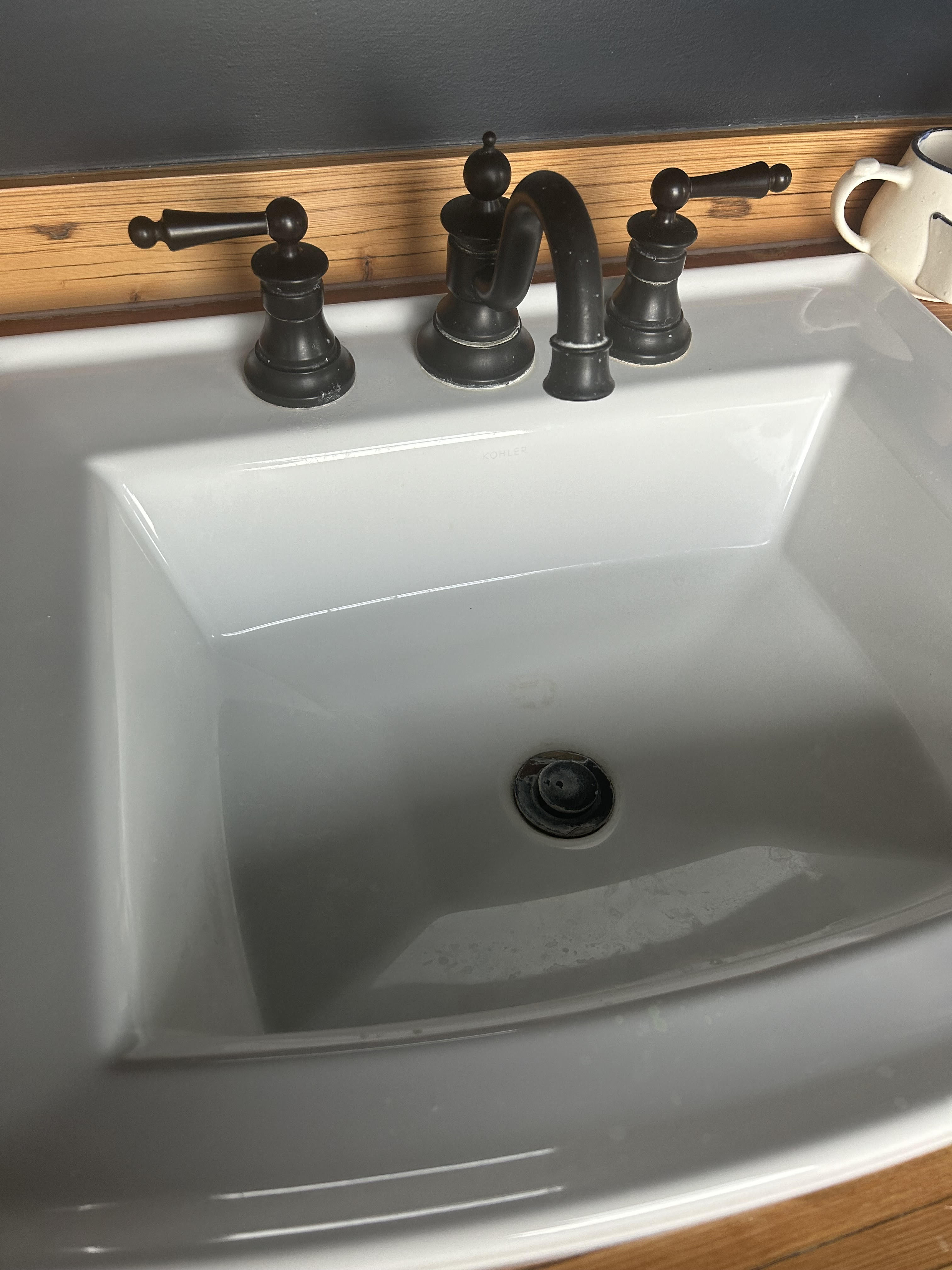
Stress is layered on. The wine and grape industry has been under stress for many years for many reasons. The next event gets added to the last one. And don’t fool yourself, you create your own stress as well. It doesn’t all come from external factors. I get it. I experienced the same thing when I led a winery. Relief from one stress in one area doesn’t mean relief from stress in another area. It’s like a bathroom sink. Put a stopper in the drain and every time water is added to the bowl the level rises a bit more. Layers. Higher levels. A new watermark for stress. At some point, with the stopper firmly in place, the sink overflows.
In my space I often talk to you when the sink overflows. I see stress from the people at the top cascade downward to people below them, and from them it flows to people below them, next, to to people tangential to your winery or vineyard. Eventually it spills onto the consumers as well. We’re drowning in stress. People doing more for less. Everyone doing much much more…for less.
I believe this industry has the power right now to pull the drain plug, to begin to drain the stress little by little so that it does not cascade onto good people around you. It does not take money (although that would be nice). It doesn’t take regulation changes (although those, too, would be nice). It doesn’t take a savior or good luck or insider information. It doesn’t even take more hard work.
To remove the layers of stress you must try something different. You must this time do what you have not done in the past. The way we have been doing things in the BC wine industry is obviously not working. What is the harm in trying a different way? If it doesn’t work, go back to doing it the traditional way you have been doing it, as we like to say, for generations.
Think about people around you. Not necessarily the ones you always turn to but those that you often do not. Start close by. Your spouse. Your owner. Your board. Your investor. Talk to them. Talk especially to the ones you have avoided speaking to in the past. Share your frustrations and fears, your crazy solutions and failures. Swallow your ego and admit you can do better, or you haven’t done it right in the past.
Move on to those who work around you. Co-workers. Your manager. Your supervisor. Talk to them. Especially talk to the ones you avoid for whatever reason. Talk to the difficult ones. Tell them things they may not know about you. What you’re struggling with. Ask them how YOU can support THEM, not the other way around. Ask for their solution ideas. Give them some of your solution ideas. Swallow your ego and admit you can do better, or you haven’t done it right in the past.
Move on to your neighbors. Not the ones you always talk to but the ones you drive past and never, ever have spoken to in 10 years living near them. Knock on their door with a bottle of wine and start listening. Start sharing. Better yet, get off your beautiful bench and drive for 12 minutes. For 20 minutes. For 37 minutes. Knock on someone’s door you have always wanted to speak with but only see them once a year at an industry conference. Tell them what you’re struggling with and ask them if they are experiencing the same. When they have a different issue, listen. You may face that, too, in the future. Swallow your ego and admit you can do better, or you haven’t done it right in the past.
Get out of the grape and wine industry. Introduce yourself to that local organization that supports tourism. Supports mental health. Supports financial planning. Supports women. Supports small business owners. Supports indigenous workers. Ask them what they do. Tell them what you do. See if there are any synergies. Don’t go to the same organizations you always do.They will still be there for you. Don’t worry about that. Swallow your ego and admit you can do better, or you haven’t done it right in the past.
To drain the sink of stress you have to do things differently. You have to go out of your comfort zone and make connections in areas you have never done before. If you are a winery owner, have you ever had a meeting with an ex employee who quit and asked them why they really left? And then listened? And then validated their feelings even though you had your own opposite feelings? You may think you know the reason why, but I didn’t when I did this. Employees, have you ever asked your manager or your supervisor what is keeping them awake at night? Have you ever told them that you recognize they are under tremendous strain even though at times you may not respect the decisions they make?
We have to start thinking differently.We have to start making new connections with unexpected people. The help we need as an industry is all around us but not in the usual places. I said it to the room of people in November at Fortify Conference. I believe in you. I believe in this industry. You have it in your power to turn this around but you Have. To. Do. It. Differently.
Swallow your ego and admit you can do better, or you haven’t done it right in the past. And then pick up the phone, or get in your car, or walk across the hallway. I have so much love for this industry. I know you can do it.


















 One of the big challenges for tasting rooms poised to reopen in June will be staffing up. This is always a challenge but again, welcome to additional challenges in the wake of COVID-19. Consider some of what’s going on out there:
 Sectors of the economy all over the province are going to be turning in plans and protocols for the government to review in the next few weeks to allow for re-opening. Tasting rooms (be they for wineries, cideries, distilleries and breweries) will all have to show they are ready with new protocols before they will be allowed to open. The BCWI is holding an initial committee later this week to start these discussion and other sectors have already gone through this process (like the restaurant association).
 June 6 this year will mark the eighth anniversary of the passing of Bill C-311 which set to rectify the Importation of Intoxicating Liquors Act of 1928 by allowing interprovincial importation of wine for personal use. Yes I said PASSING. It passed. But nothing has changed.
 It occurred to me that many BC wineries were not in existence since our last major crisis–not the month long disruption caused by forest fires, SARS and Alberta boycotts but September 11, 2001. Even for wineries that were in business 19 years ago many may have forgotten how that impacted our industry. When tourism was disrupted as it was post 911, it not only resulted in fewer people walking into cellar doors but it also had a big impact on sales in the Lower mainland and beyond. People ate out less in restaurants, retail sales were mostly flat (in some cases slightly up) and events were non-existent.
 Recently I was sitting across the table from a young, energetic and impassioned female who wanted to work at a BC winery and asked me if the wine industry is male dominated or is it an industry that she could break into and have success? I didn’t know what to say to her. Should I tell her to go “all in” and pursue her dreams? Should I tell her to step carefully and make sure she works for the “right” winery, one that has a good hiring record and develops their employees? Or should I tell her to run the other way? A few years ago I would have told that her gender wouldn’t matter at all and just to do what she wanted to, go for anything that appealed to her. Today, I found myself not able to answer her question.









 Oldfield's Wanderings